Industrial boilers
Heat for a plant, if the furnace, the fuel feed and the flue-gas treatment match the lot.
Products
Solid biofuel from the shell of the oil-palm kernel. This page explains the material, where it is used and how a supply can be arranged. It does not replace a lot specification.
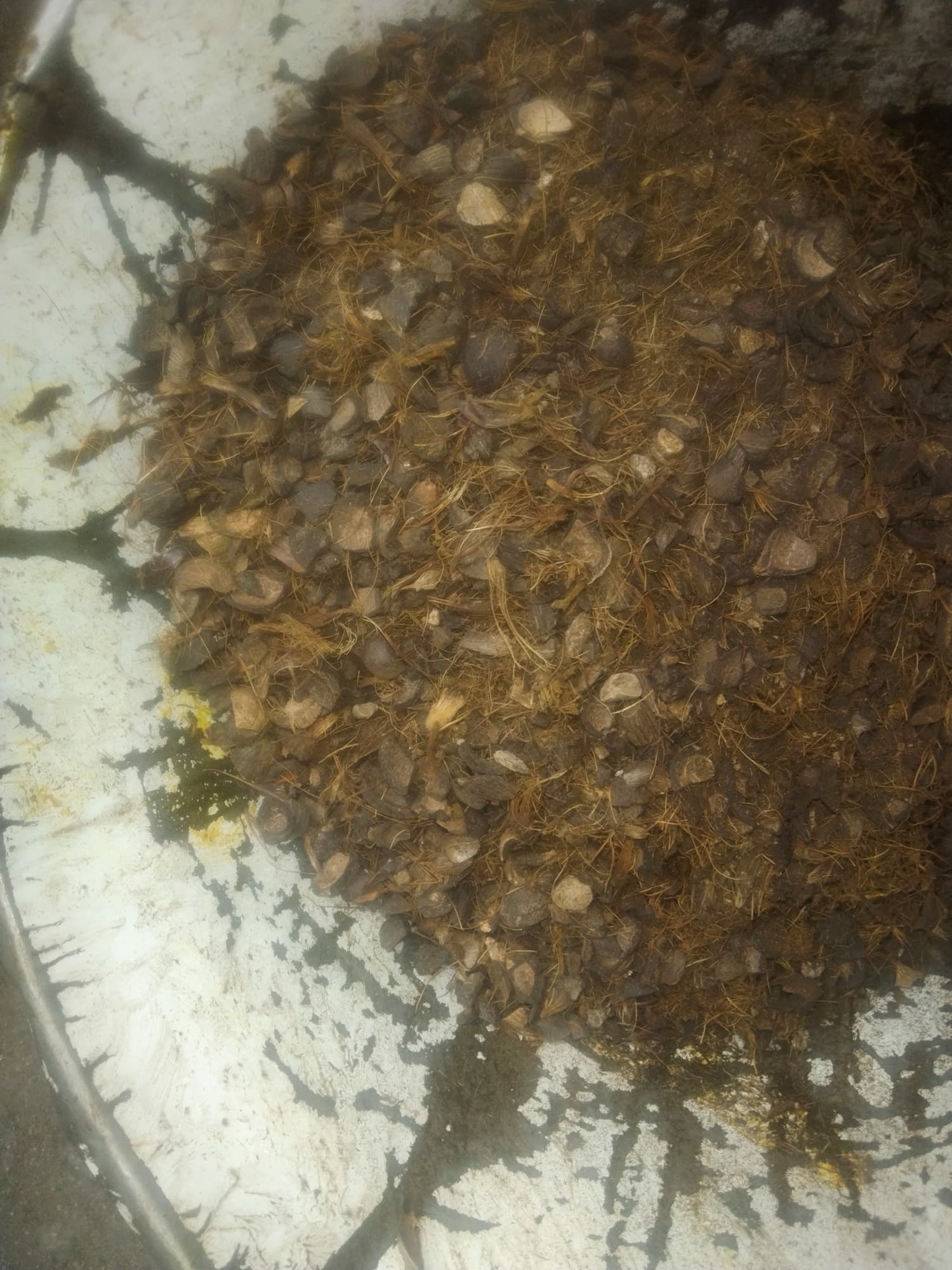
The photograph shows feedstock from oil-palm fruit processing. A contract specification refers to palm kernel shell and is confirmed by analysis of the specific lot.
Palm kernel shell, or PKS, is the solid residue of oil-palm fruit processing. After the kernel oil is extracted, the dense shell of the kernel remains. That shell is the traded biomass.
PKS is not palm oil, a liquid fuel or wood pellets. It is a separate bulk material with its own moisture, ash, calorific value and size. These properties change from lot to lot and with the way it is prepared.
The material can be used as fuel in industrial boilers and energy plants. That depends on the equipment, the combustion regime, the quality of the lot and the law that applies to the supply and to the buyer’s plant.
PKS is discussed where a plant is designed for solid biomass or where the equipment maker allows that fuel.
Heat for a plant, if the furnace, the fuel feed and the flue-gas treatment match the lot.
Energy generation where biomass is already part of the technology or can be agreed separately.
Only when the plant specification, the operating regime and the applicable rules allow it. Blending is not assumed.
The site does not claim that PKS suits every boiler, and it does not call it automatically carbon-neutral. A climate assessment depends on origin, chain accounting and the rules of the specific market.
The main source under review is Indonesia, one of the largest centres of oil-palm processing. The second area of interest is African countries, where the palm industry and the availability of feedstock differ from lot to lot.
Other countries of origin are possible if the producer, the quality and the logistics meet the buyer’s requirements. Naming a region on this page does not mean a live contract or an exclusive chain.
These are the figures usually agreed for PKS. The site gives no guaranteed numbers: a value is fixed in the lot specification and confirmed by analysis.
| Parameter | How it is set |
|---|---|
| Moisture | Agreed for the lot. It affects calorific value, storage and transport. |
| Ash | Agreed for the lot. It matters for combustion and the residue. |
| Net calorific value | Confirmed by analysis. Used in the buyer’s energy balance. |
| Size distribution | Agreed for the feed system and the plant’s requirements. |
| Sulphur | Confirmed by analysis when it matters for the equipment and the rules. |
| Foreign matter | Limits on stones, metal, fibre and other impurities are set in the specification. |
A specification is not a public offer. Sampling, the laboratory and the allowed deviations are set in the deal documents.
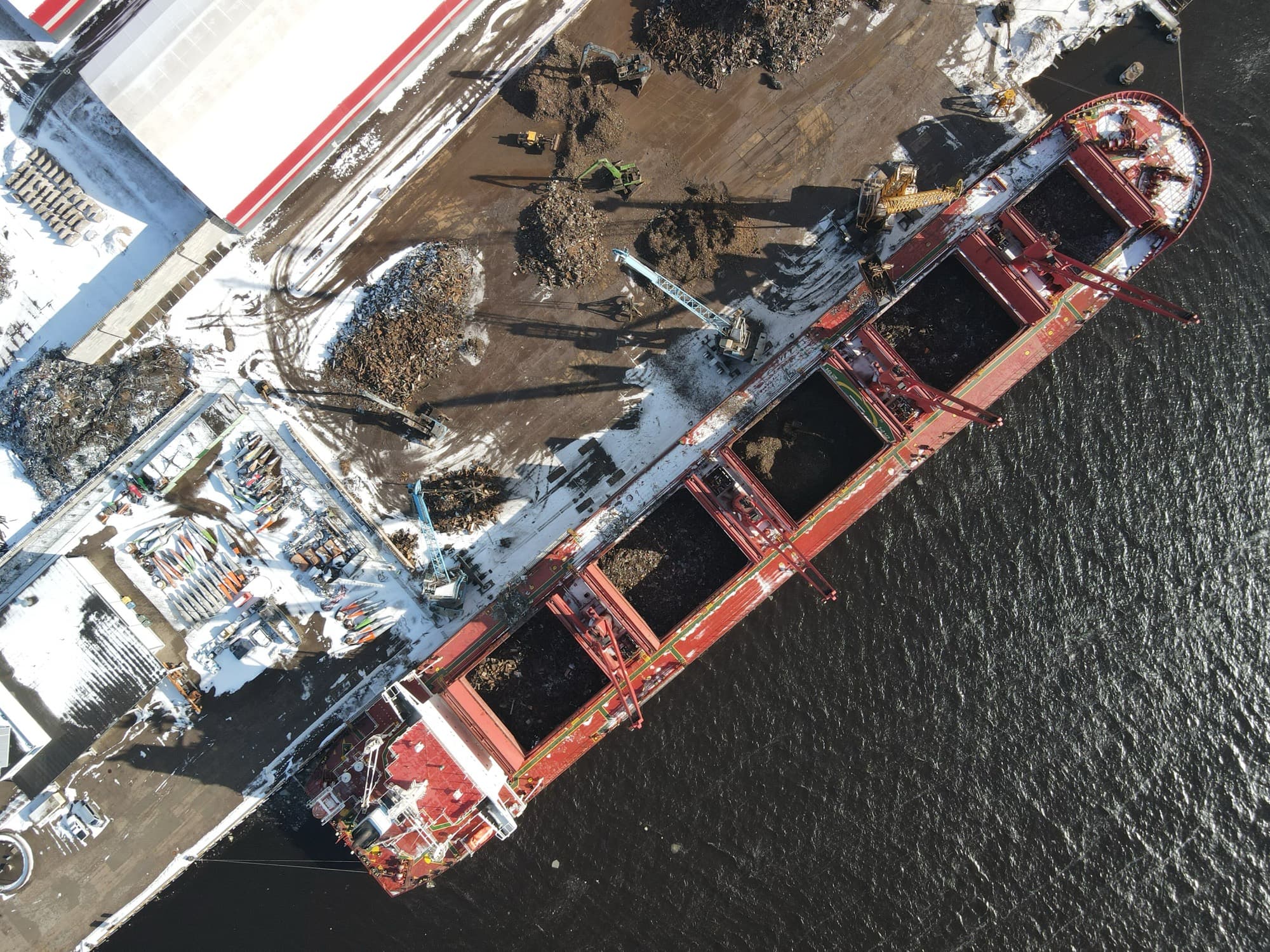
For long-distance shipments the main method under review is seaborne bulk carriage. Indonesia and other possible origins are linked to the European market by a sea leg. On arrival, Polish ports are considered, including Gdańsk, and then delivery to the buyer.
Possible delivery bases are FOB, CFR and CIF under Incoterms 2020. The basis is chosen in the deal: it decides who arranges freight and insurance, and where the risk passes. The land leg after the port is discussed separately.
This describes possible terms. It is not a sailing schedule and not confirmation of lines already open.
Before a supply, the European biomass rules that apply to this lot, this buyer and this use have to be checked separately. The same feedstock can fall under different rules depending on the plant and the country of destination.
Sustainable origin and traceability are not assumed. If the buyer needs a particular confirmation scheme, that is discussed in advance. YATradeEnergy does not claim RED III, KZR INiG, ISCC or any other certificate.
Customs classification follows the actual goods, the documents and the customs decision, not a marketing name. Seaborne carriage also has to meet the rules for solid bulk cargoes, including moisture, fitness for a safe voyage and the port’s conditions.
Describe the volume of interest, the quality you want, the basis and the direction. We will reply if the enquiry can be considered properly. The form does not send messages until a working channel is connected.